
Key Takeaways
- Regular oil changes are essential for maintaining vehicle performance.
- Consistent maintenance can prevent costly repairs in the long run.
- Understanding the types of motor oils can help you choose the right one for your car.
Table of Contents
- The Importance of Regular Oil Services
- Understanding Different Types of Motor Oils
- How Regular Oil Changes Prevent Costly Repairs
- How Often Should You Get an Oil Change?
- Choosing the Right Oil for Your Vehicle
- DIY vs. Professional Oil Change Services
- Real-Life Benefits of Regular Oil Maintenance
The Importance of Regular Oil Services
Regular oil changes are crucial for the health of your vehicle. Ensuring that your car receives an oil change at the right intervals can significantly improve its performance and increase its lifespan. For those looking for affordable services, there are options for discount heating oil Irvington NJ that provide quality maintenance without breaking the bank. When oil becomes dirty, it can lead to a host of engine issues that are both costly and time-consuming to fix.
In Irvington, NJ, regular oil services are essential for vehicle longevity, especially given the area’s diverse weather conditions. By sticking to a consistent oil change schedule, drivers can ensure proper engine lubrication, cooling, and performance year-round, protecting their vehicles from wear and tear caused by extreme temperatures. Prioritizing regular oil changes is crucial for maintaining the reliability and lifespan of vehicles in Irvington, NJ.
Neglecting regular oil changes can result in sludge buildup, decreased engine efficiency, and even complete engine failure. This simple maintenance task ensures that your engine runs smoothly by reducing friction and providing necessary lubrication. When the oil is dirty, it can’t effectively cool and clean engine parts. This leads to overheating and eventual wear and tear on critical components. Keeping fresh oil ensures that your engine remains in optimal condition, enhancing its overall performance.
Understanding Different Types of Motor Oils
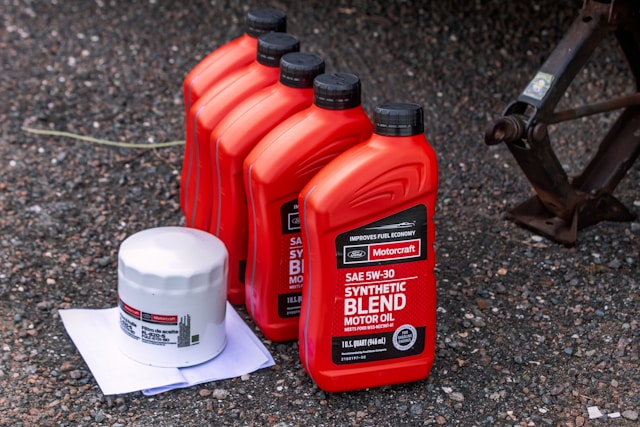
Motor oils come in various types – conventional, synthetic, and semi-synthetic. Each type has its own benefits and is suited for different kinds of engines. Understanding what each type offers can help you make an informed decision on the best oil for your vehicle.
Conventional oil, derived from crude oil, is suitable for vehicles with simple engine designs and those that experience lighter driving conditions. On the other hand, synthetic oil, which is chemically engineered, offers superior performance, especially in extreme temperatures. It is designed to provide better resistance to oxidation and thermal breakdown. Semi-synthetic oil combines the benefits of both, providing better protection than conventional oil without the cost of full synthetic. This type is ideal for those who want a good middle ground between cost and performance. Being aware of these distinctions helps you choose the right oil that meets your driving needs and enhances your engine’s performance.
How Regular Oil Changes Prevent Costly Repairs
Regular oil changes can help prevent major engine problems. Dirty oil can lead to increased friction, overheating, and, ultimately, engine failure. By keeping your oil clean and fresh, you save yourself from potentially expensive repairs down the line.
According to Consumer Reports, neglecting oil changes is one of the leading causes of engine damage. Changing your oil on schedule ensures that the engine parts are well-lubricated and reduces the wear and tear on the components. Old, dirty oil doesn’t provide adequate lubrication, which leads to metal-on-metal contact and causes parts to degrade quickly.
Fresh oil not only lubricates but also helps to cool the engine by carrying away heat. It also traps particles and debris, holding them to the oil filter. Skipping oil changes can cause the filter to clog, allowing these particles to circulate back into the engine, leading to damage over time. Regular oil changes remove these contaminants, ensuring a cleaner, more efficient engine.
How Often Should You Get an Oil Change?
Depending on the type of oil your car uses, oil change frequencies can vary. Conventional oils typically require more frequent changes compared to synthetic ones. It’s always best to refer to your vehicle’s manual for manufacturer recommendations.
- Conventional Oil: Every 3,000-5,000 miles.
- Synthetic Oil: Every 7,500-10,000 miles.
Additionally, driving conditions play a significant role in determining how often you should change your oil. If you frequently drive in stop-and-go traffic, tow heavy loads, or drive in extreme temperatures, you might need to change your oil more often than someone who drives primarily on highways under normal conditions.
Keeping a log of your oil changes, noting the date and mileage can also help you stay on top of this critical maintenance task. Many modern vehicles come equipped with oil life monitoring systems that alert you when it’s time for an oil change, making it easier to keep your engine in top shape.
Choosing the Right Oil for Your Vehicle
Not all motor oils are created equal. The right oil can both optimize performance and protect your engine. Factors like your driving habits and the climate you drive in can also influence the best type of oil for your car. Discuss your needs with a professional to make the best choice.
For example, if you frequently drive in extreme temperatures or conditions, synthetic oil may provide the best protection for your engine. Synthetic oils are less likely to break down and can perform better under high stress. On the other hand, conventional oil might be adequate for older vehicles that have simpler engine designs and are operated in milder conditions.
It’s also important to use the oil viscosity recommended by your vehicle manufacturer. Using the wrong viscosity can affect engine performance and efficiency. Vehicle manuals often provide charts indicating the proper viscosity based on temperature ranges, ensuring optimal performance under various conditions.
DIY vs. Professional Oil Change Services
Some car owners prefer changing their oil themselves, while others rely on professional services. DIY oil changes can save money but come with the risk of improper disposal of old oil. Disposing of motor oil improperly can harm the environment, so it’s critical to follow proper disposal procedures if you choose to do it yourself.
Professional services, while costlier, ensure the job is done correctly and often come with additional inspections and maintenance checks. Professionals have the expertise and equipment to not only change your oil but also conduct thorough inspections to identify potential issues. This can be especially beneficial for those who may not have the time or knowledge to perform comprehensive vehicle maintenance themselves.
Another advantage of professional services is the additional checks they perform at each oil change. This often includes topping off other fluids, inspecting the air filter, checking tire pressure, and examining belts and hoses. These routine checks can catch potential issues early, preventing costly repairs down the line.
Real-Life Benefits of Regular Oil Maintenance
Keeping up with oil services can lead to noticeable improvements in fuel efficiency, smoother engine performance, and even a higher resale value. Many car owners have reported fewer engine issues and better overall driving experiences by simply sticking to a regular oil change schedule.
In the long run, this simple yet critical maintenance task can save you time, money, and headaches, keeping your vehicle running smoothly and efficiently. Regular oil changes help maintain engine integrity, meaning fewer breakdowns and more reliability. This means less stress and more confidence in your vehicle, whether you’re commuting to work or embarking on a long road trip.
Overall, regular oil maintenance protects your engine and contributes to a more enjoyable driving experience. Making oil changes a priority in your car care routine ensures that your vehicle remains in top condition, offering both peace of mind and cost savings over time.